Best Time to Visit India
India is a year-round destination; however, the most favorable period for travel is October to March, when the weather across most regions is pleasant and suitable for sightseeing.
October to March (Best Overall)
-
Pleasant, cooler weather (especially November–February)
-
Ideal for sightseeing, festivals, and outdoor activities
-
Great for most popular destinations:
-
Delhi, Agra, Rajasthan
-
Varanasi
-
Goa
-
-
Peak tourist season (December–January is busiest)
October to March – Peak Travel Season
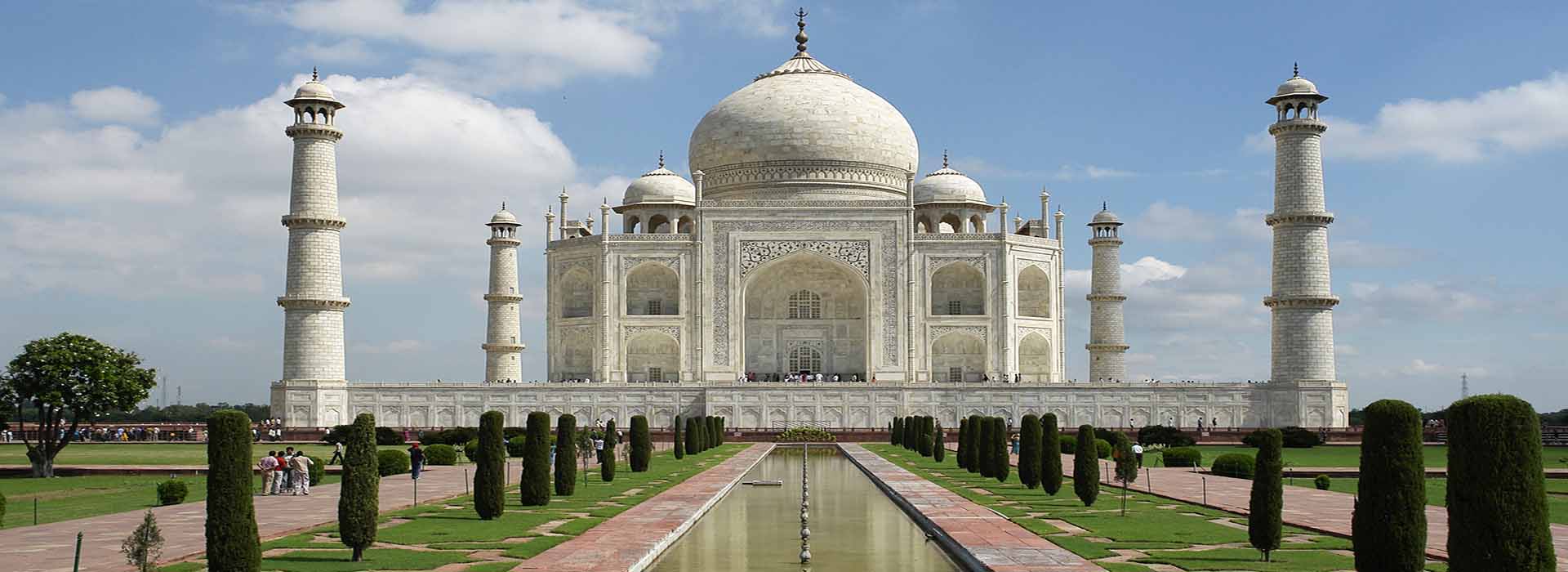
This period offers comfortable temperatures, clear skies, and ideal conditions for cultural tours, heritage exploration, and outdoor activities. It is the best time to visit key destinations such as Delhi, Agra, Rajasthan, Varanasi, Kerala, and Goa.
December and January mark the peak tourist season, with higher demand and pricing.
April to June – Summer Season
The summer months can be extremely hot in most parts of India, with temperatures often exceeding 40°C. This period is better suited for travel to hill stations and high-altitude regions such as Shimla, Manali, Darjeeling, and Ladakh. It is also a time when travelers can benefit from relatively lower rates in non-hill destinations.
April to June (Hot Season)
-
Very hot in most of India (often 35–45°C / 95–113°F)
-
Better for:
-
Hill stations (Shimla, Manali, Darjeeling)
-
Ladakh
-
-
Fewer crowds, lower prices in many areas
July to September – Monsoon Season
The monsoon brings moderate to heavy rainfall across many regions, transforming landscapes into lush green surroundings. While travel may be affected in certain areas, this season is ideal for experiencing Kerala and the Western Ghats in their most scenic form. It is also considered a good time for wellness and Ayurveda-focused travel.
Summary
For first-time visitors, November and February are particularly recommended, offering a balance of favorable weather, manageable tourist flow, and optimal travel conditions across major destinations.