Ajanta Caves – The Painted Paradise of Buddhism
The Ajanta Caves, located approximately 100 kilometers from Aurangabad, comprise 30 rock-cut caves carved between the 2nd century BCE and the 6th century CE. Hidden within a horseshoe-shaped gorge overlooking the Waghora River, these caves served as monasteries and prayer halls for Buddhist monks.
What makes Ajanta truly exceptional are its world-famous frescoes and murals. These ancient paintings depict scenes from the life of Lord Buddha and the Jataka Tales, illustrating his previous incarnations. Despite being over 1,500 years old, the vibrant colors and intricate details continue to captivate visitors and scholars alike.
The caves showcase remarkable examples of ancient Indian artistry, with beautifully carved pillars, elaborate sculptures, and serene Buddha statues that create an atmosphere of profound spirituality.
Highlights of Ajanta Caves
- Ancient Buddhist paintings and murals
- Magnificent prayer halls (Chaityas)
- Monastic residences (Viharas)
- Stunning rock-cut sculptures
- Scenic natural surroundings overlooking the Waghora Valley
Ellora Caves – A Symbol of Religious Harmony
Located just 30 kilometers from Aurangabad, the Ellora Caves represent one of the most remarkable achievements in rock-cut architecture anywhere in the world.
Unlike Ajanta, which is exclusively Buddhist, Ellora features 34 caves dedicated to three major religions:
- Buddhism
- Hinduism
- Jainism
Carved between the 6th and 10th centuries CE, these caves beautifully demonstrate the spirit of religious coexistence that flourished in ancient India.
The star attraction is undoubtedly the magnificent Kailasa Temple (Cave 16), a colossal monolithic structure carved entirely from a single rock. Dedicated to Lord Shiva, this architectural marvel is considered one of the greatest engineering achievements in human history.
Highlights of Ellora Caves
- The awe-inspiring Kailasa Temple
- Buddhist monasteries and meditation halls
- Hindu temples featuring mythological sculptures
- Intricately carved Jain shrines
- Exceptional examples of ancient engineering and craftsmanship
The Marvel of Kailasa Temple
The Kailasa Temple is perhaps the most astonishing monument in India. Instead of building the temple stone by stone, ancient craftsmen carved it from top to bottom out of a single massive rock.
Historians estimate that over 200,000 tons of rock were removed to create this masterpiece. The precision, scale, and artistic detailing continue to amaze architects and engineers even today.
Walking through the temple complex, visitors encounter gigantic elephants, intricately carved pillars, mythological scenes, and stunning sculptures that seem to bring ancient stories to life.
Why Foreign Travelers Love Ajanta & Ellora
Ajanta and Ellora attract visitors from around the world because they offer a unique combination of:
- History and archaeology
- Art and architecture
- Spirituality and meditation
- Photography opportunities
- Cultural immersion
Unlike many historical sites, these caves provide an intimate glimpse into the lives, beliefs, and artistic achievements of ancient civilizations.
Best Time to Visit
The ideal time to visit Ajanta and Ellora is from October to March when temperatures are pleasant and comfortable for sightseeing.
For the guests' information :
- October to March: Best weather and clear skies
- April to June: Hot summer season
- July to September: It remains lush green landscapes and monsoon beauty
Nearby Attractions
Visitors can easily combine Ajanta and Ellora with other attractions in and around Aurangabad:
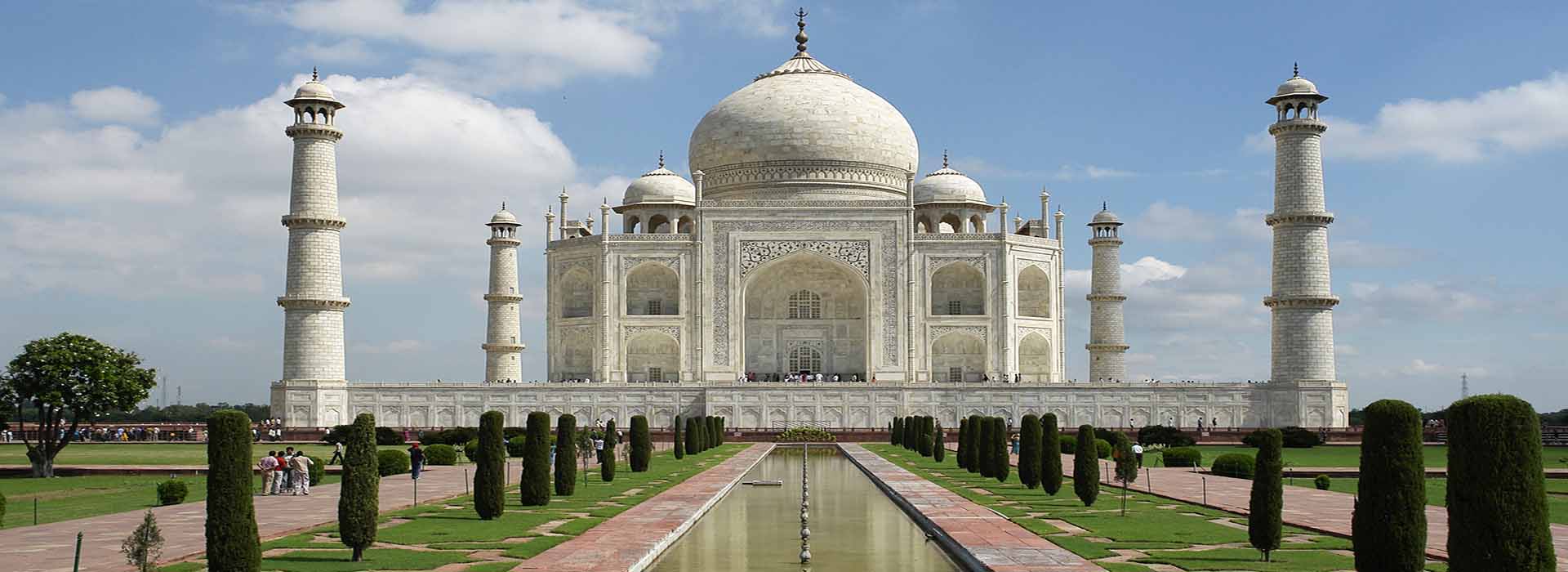
- Bibi Ka Maqbara – Often referred to as the "Mini Taj Mahal"
- Daulatabad Fort – One of India's strongest medieval forts
- Grishneshwar Temple – One of the twelve sacred Jyotirlingas
- Panchakki – A fascinating historic water mill
Travel Tips and how to reach.
- Allocate at least two days to fully explore both sites.
- Wear comfortable walking shoes.
- Carry water, sunscreen, and a hat.
- Hire a knowledgeable guide for a richer experience.
- Visit early in the morning to avoid crowds and enjoy better photography opportunities.
Why Include Ajanta & Ellora and best ways :
Ajanta and Ellora are among the finest examples of rock-cut architecture in the world. Together, they showcase Buddhist, Hindu, and Jain traditions through exquisite paintings, sculptures, monasteries, and temples.
Visitors can experience:
- Ancient Buddhist cave paintings at Ajanta.
- The spectacular Kailasa Temple at Ellora.
- UNESCO World Heritage monuments.
- Less crowded and more authentic cultural experiences.
- A deeper understanding of India's spiritual and artistic heritage.
Best Gateway: Aurangabad
Note : AJANTA Caves remains closed on Monday and ELLORA Caves remains closed on Tuesday.
The ideal base for visiting both cave complexes is Aurangabad, a historic city in Maharashtra well connected by flights from major Indian cities.
Recommended stay:
- 2 Nights / 3 Days in Aurangabad
- Visit Ellora Caves, Daulatabad Fort, and Grishneshwar Temple on one day.
- Visit Ajanta Caves on the second day.
Suggested Itinerary Combinations
1. Golden Triangle + Ajanta & Ellora (8–9 Days)
Perfect for first-time visitors seeking India's iconic monuments and cultural heritage.
Sample Routing:
Delhi → Jaipur → Agra → Aurangabad → Mumbai
Highlights:
- Taj Mahal
- Amber Fort
- Fatehpur Sikri
- Ajanta Caves
- Ellora Caves
- Kailasa Temple
This combination blends Mughal, Rajput, and ancient Indian heritage into one unforgettable journey.
2. Golden Triangle + Varanasi + Ajanta & Ellora (11–12 Days)
Ideal for travelers interested in spirituality, culture, and history.
Sample Routing:
Delhi → Jaipur → Agra → Varanasi → Aurangabad → Mumbai
Highlights:
- Sunrise at the Taj Mahal
- Ganga Aarti in Varanasi
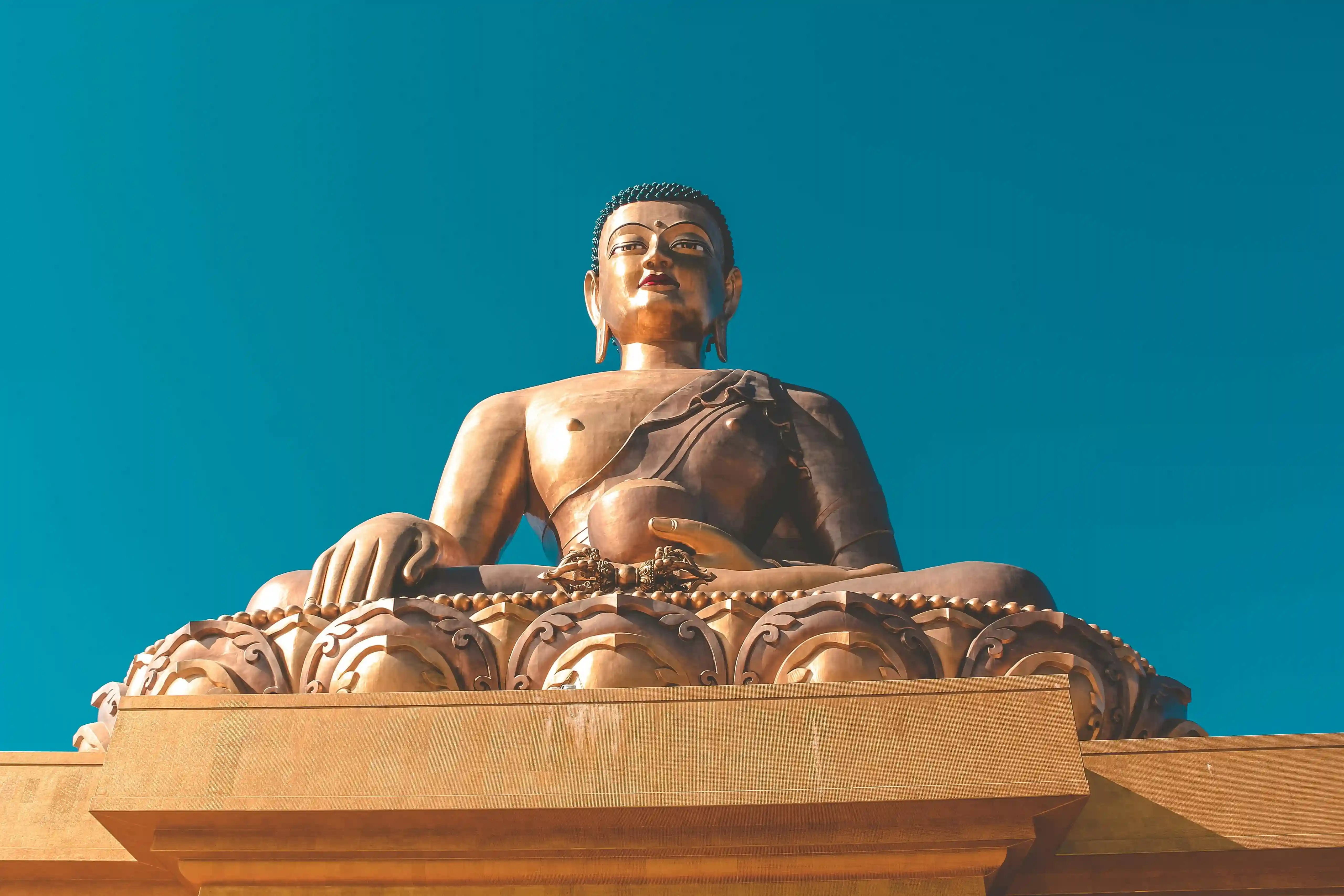
- Buddhist heritage
- Ajanta frescoes
- Ellora's Kailasa Temple
This itinerary provides a comprehensive introduction to India's spiritual and cultural traditions.
3. Heritage & UNESCO Tour of India (12–14 Days)
Designed for history enthusiasts and cultural explorers.
Sample Routing:
Delhi → Agra → Jaipur → Aurangabad → Mumbai
UNESCO Highlights:
- Qutub Minar
- Humayun's Tomb
- Taj Mahal
- Fatehpur Sikri
- Ajanta Caves
- Ellora Caves
An excellent option for travelers seeking India's most significant World Heritage Sites.
4. Luxury India with Ajanta & Ellora (10–12 Days)
For discerning travelers seeking exceptional experiences.
Stay in luxury hotels while exploring India's greatest treasures:
- Delhi
- Agra
- Jaipur
- Aurangabad
- Mumbai
Private guides, premium vehicles, and curated cultural experiences elevate the journey.
5. Buddhist Heritage Tour with Ajanta
Ajanta can be combined with India's Buddhist circuit.
Suggested Route:
Delhi → Varanasi → Sarnath → Bodh Gaya → Ajanta → Mumbai
This itinerary is particularly popular among travelers from East Asia, Southeast Asia, and Buddhist communities worldwide.
How Many Days Are Needed?
| Destination | Recommended Stay |
|---|---|
| Aurangabad | 2 Nights |
| Ellora Caves | Half Day |
| Ajanta Caves | Full Day |
| Daulatabad Fort | Half Day |
| Grishneshwar Temple | 1–2 Hours |
For most travelers, a 2-night stay in Aurangabad is ideal.
Ajanta and Ellora Caves stand among the greatest cultural and architectural achievements of humanity. They tell a story of artistic brilliance, spiritual devotion, and religious harmony that continues to inspire travelers from around the world.
Whether you are a history enthusiast, a cultural explorer, a photographer, or simply a curious traveler, a visit to these magnificent caves will leave you with memories that last a lifetime.
At World Escapes India, we believe that Ajanta and Ellora are not just destinations—they are journeys into the heart of India's timeless civilization.